Key Takeaway
Commercial buildings can reduce water consumption by 30–50% and achieve ROI within 2–3 years by implementing a combination of grey water recycling, rainwater harvesting, efficient RO systems, and smart monitoring technologies.
Water is one of the most critical yet undervalued resources in commercial building management. With increasing water scarcity in cities like Chennai, implementing sustainable water management practices is no longer optional — it's an economic and environmental necessity.
This guide explores proven water conservation strategies, smart recycling technologies, and cost-saving approaches that leading commercial buildings are adopting in 2026.
Why Sustainable Water Management Matters
Commercial buildings account for approximately 15% of total urban water consumption. For large office complexes, hotels, and shopping centres in Chennai, monthly water bills can exceed ₹2–5 lakh. Sustainable water management addresses three critical challenges simultaneously:
- Cost reduction — Typically 30–50% savings on water procurement and disposal costs
- Regulatory compliance — Meeting Tamil Nadu Pollution Control Board (TNPCB) norms for wastewater discharge
- Environmental responsibility — Reducing strain on Chennai's already depleted groundwater resources
- Green certifications — Achieving IGBC, LEED, or GRIHA ratings that increase property value
Grey Water Recycling Systems
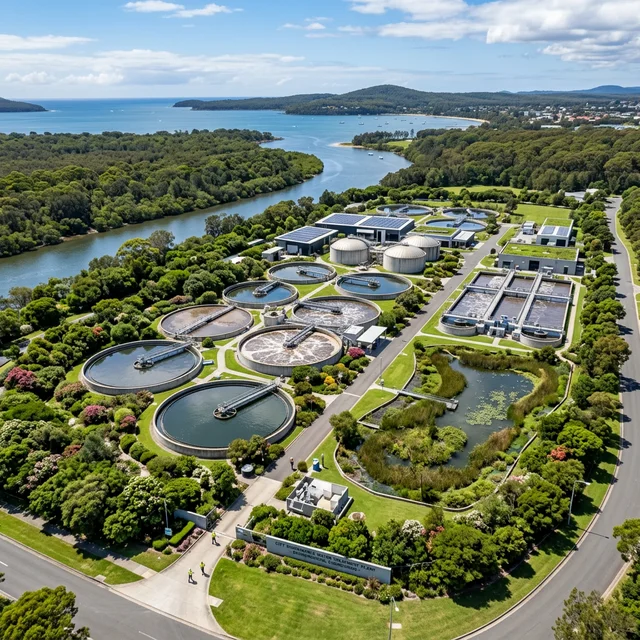
Grey water recycling is the process of collecting and treating wastewater from sinks, showers, and laundry for reuse in non-potable applications. A properly designed grey water recycling system can recover 60–80% of wastewater for reuse in toilet flushing, landscaping, and cooling tower makeup.
How Grey Water Treatment Works
- Collection — Separate plumbing diverts grey water from bathrooms and kitchens to a collection tank
- Primary filtration — Screens remove hair, food particles, and large debris
- Biological treatment — Aerobic or anaerobic processes break down organic matter
- Secondary filtration — Sand filters and activated carbon remove remaining turbidity and odour
- Disinfection — UV treatment or chlorination ensures pathogen-free water for safe reuse
| Reuse Application | Quality Required | Treatment Level | Water Savings |
|---|---|---|---|
| Toilet Flushing | Moderate | Secondary + disinfection | 25–30% |
| Landscaping & Gardening | Basic | Primary + filtration | 15–20% |
| Cooling Tower Makeup | Moderate-High | Tertiary treatment | 10–15% |
| Floor Washing | Moderate | Secondary + filtration | 5–10% |
Rainwater Harvesting: Mandatory and Beneficial
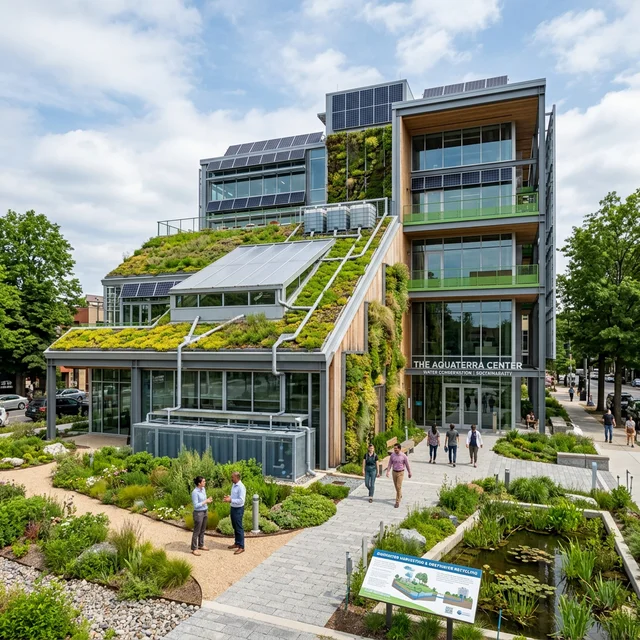
Rainwater harvesting is mandatory for all buildings in Chennai as per Tamil Nadu government regulations. Beyond compliance, a well-designed rainwater harvesting system can provide significant water supply supplementation, especially during the northeast monsoon season (October–December).
Types of Rainwater Harvesting Systems
- Rooftop collection with storage — Rainwater from building rooftops is filtered and stored in underground or overhead tanks for direct use
- Groundwater recharge — Rainwater is directed through percolation pits, recharge wells, or bore well injection to replenish aquifers
- Combined systems — Integrate both storage and recharge to maximize benefit from Chennai's seasonal rainfall
Regulatory Note
Non-compliance with Chennai's rainwater harvesting mandate can result in disconnection of municipal water supply by Chennai Metro Water. All commercial buildings must install and maintain functional rainwater harvesting structures.
Smart Water Management Technologies
Modern commercial buildings are leveraging IoT technology and smart sensors to optimize water usage in real-time:
- Smart flow meters — Digital meters with IoT connectivity track water consumption by zone, identifying waste and leaks instantly
- Automated dosing systems — PLC-controlled chemical dosing for STP/ETP ensures optimal treatment with minimized chemical waste
- Sensor-based fixtures — Motion-activated taps and flush systems reduce water waste by 30–40% in restrooms
- Real-time monitoring dashboards — Cloud-based platforms provide facility managers with consumption analytics and predictive alerts
- Leak detection systems — Acoustic and pressure-based sensors detect underground leaks that typically waste 10–20% of total supply
Efficient RO Systems for Commercial Use
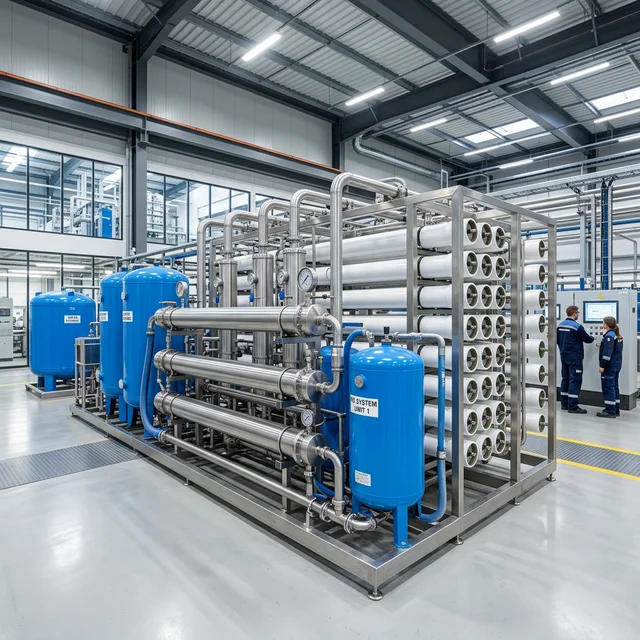
Modern commercial RO systems have evolved significantly in terms of water recovery rates. Older systems wasted 50–60% of input water as reject, but current high-efficiency systems achieve 75–85% recovery through concentrate recycling and optimized membrane configurations.
Key Features of Efficient Commercial RO Systems
- High-recovery membranes — Latest membrane technology achieves 80–85% recovery vs. 55–65% in older systems
- Reject water utilization — RO reject is used for cooling towers, flushing, or gardening instead of being wasted
- Energy recovery devices — Pressure exchangers reduce power consumption by 25–40%
- Variable frequency drives (VFD) — Pumps adjust speed based on demand, saving electricity during low-usage periods
Return on Investment: The Business Case
A comprehensive water management upgrade for a typical commercial building (50,000 sq ft) involves the following investment and returns:
| System | Investment (₹) | Annual Savings (₹) | Payback Period |
|---|---|---|---|
| Grey Water Recycling | ₹8–15 Lakh | ₹3–5 Lakh | 2–3 Years |
| Rainwater Harvesting | ₹2–5 Lakh | ₹1–2 Lakh | 2–3 Years |
| High-Efficiency RO | ₹5–10 Lakh | ₹2–4 Lakh | 2–3 Years |
| Smart Monitoring | ₹3–6 Lakh | ₹1.5–3 Lakh | 2–3 Years |
Frequently Asked Questions
Commercial buildings can reduce water consumption by 30–50% through installing efficient RO systems with high recovery rates, implementing grey water recycling for toilet flushing and landscaping, adopting rainwater harvesting, using sensor-based taps and low-flow fixtures, and conducting regular leak detection audits. Smart monitoring systems help identify waste patterns and optimize usage across all building zones.
Grey water recycling is the process of collecting and treating wastewater from sinks, showers, and laundry for reuse in non-potable applications like toilet flushing, gardening, and cooling towers. A typical system includes collection, primary filtration, biological treatment, secondary filtration, and disinfection stages. Well-designed systems recover 60–80% of grey water for safe reuse.
Yes, rainwater harvesting is mandatory for all buildings in Chennai as per Tamil Nadu government regulations. Commercial buildings must install rainwater harvesting structures and maintain them properly. Non-compliance can result in disconnection of water supply by Chennai Metro Water. Both rooftop collection and groundwater recharge systems are accepted.
A well-designed water recycling system for commercial buildings typically achieves ROI within 2–3 years. Buildings can save 40–60% on water bills, reduce STP operating costs, recycle 70–80% of wastewater, and qualify for green building certifications (IGBC/LEED) which increase property value by 5–15%.