Key Takeaway
Contaminated water causes over 3.4 lakh deaths annually in India. RO + UV + UF multi-stage purification removes 99.99% of contaminants. Investing in proper water treatment reduces waterborne diseases by up to 80% and significantly improves community health outcomes.
Access to clean drinking water is a fundamental human right, yet millions of people in India still consume contaminated water daily. Waterborne diseases remain a leading cause of illness and death, particularly among children and the elderly. Modern water purification technologies offer proven solutions to this critical public health challenge.
Waterborne Diseases: The Hidden Threat
Contaminated drinking water carries pathogens, chemicals, and heavy metals that cause a range of serious diseases:
- Cholera — Caused by Vibrio cholerae bacteria, leads to severe dehydration and can be fatal within hours
- Typhoid Fever — Salmonella typhi infection causing high fever, weakness, and intestinal complications
- Hepatitis A — Viral liver infection transmitted through contaminated water and food
- Dysentery — Intestinal infection causing bloody diarrhoea, spread through faecal-contaminated water
- Fluorosis — Excess fluoride (>1.5 mg/L) causes dental and skeletal damage
- Arsenicosis — Long-term arsenic exposure causes skin lesions and increases cancer risk
| Disease | Contaminant | Symptoms | Prevention |
|---|---|---|---|
| Cholera | Bacteria | Severe diarrhoea, dehydration | RO + UV treatment |
| Typhoid | Bacteria | High fever, abdominal pain | Boiling / UV / RO |
| Hepatitis A | Virus | Jaundice, fatigue | UV disinfection |
| Fluorosis | Chemical | Dental/skeletal damage | RO filtration |
| Lead Poisoning | Heavy Metal | Developmental issues | RO + activated carbon |
The Scale of India's Water Crisis
The data reveals the urgency of addressing water quality in India:
- 3.4 lakh deaths annually in India due to waterborne diseases (WHO data)
- 37.7 million Indians affected by waterborne illnesses each year
- 70% of India's surface water is contaminated
- ₹6,700 crore annual economic burden of waterborne diseases on India's healthcare system
- 21% of communicable diseases in India are water-related
Water Purification Methods Compared
Different purification technologies target different types of contaminants. Understanding their capabilities helps choose the right solution:
Reverse Osmosis (RO)
Forces water through semi-permeable membranes, removing 95–99% of dissolved solids, heavy metals, pesticides, and most bacteria. Essential for high-TDS water common in Chennai.
UV (Ultraviolet) Disinfection
UV light at 254nm wavelength destroys 99.99% of bacteria and viruses by disrupting their DNA. Chemical-free and doesn't alter water taste. Ideal for microbiologically unsafe water with low TDS.
UF (Ultrafiltration)
Membrane-based filtration removing bacteria, protozoa, and suspended solids. Works without electricity and retains essential minerals. Suitable as a final polishing step after RO.
Multi-Stage Purification (RO + UV + UF)
The most comprehensive approach combining all three technologies achieves 99.99% purification and is recommended for areas with both high TDS and microbiological contamination.
Impact of Clean Water on Community Health
Communities that implement proper water treatment systems experience measurable health improvements:
- 80% reduction in waterborne disease incidence within the first year
- 50% fewer hospital visits for gastrointestinal illnesses
- 30% reduction in child mortality in underserved areas
- Improved nutrition — Healthy gut from clean water improves nutrient absorption
- Economic gains — Fewer sick days mean higher productivity and income
- Better education — Healthy children attend school more regularly
Important
Even clear-looking water can contain dangerous levels of dissolved contaminants, heavy metals, and microscopic pathogens. Visual clarity is not an indicator of water safety — always get water tested before consumption.
Practical Solutions for Safe Water
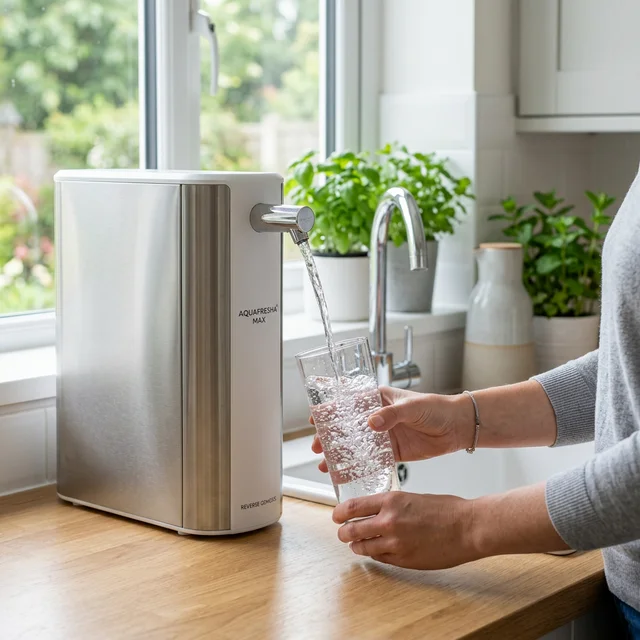
- Home RO systems — Affordable 7–15 LPH units for family use (₹8,000–25,000)
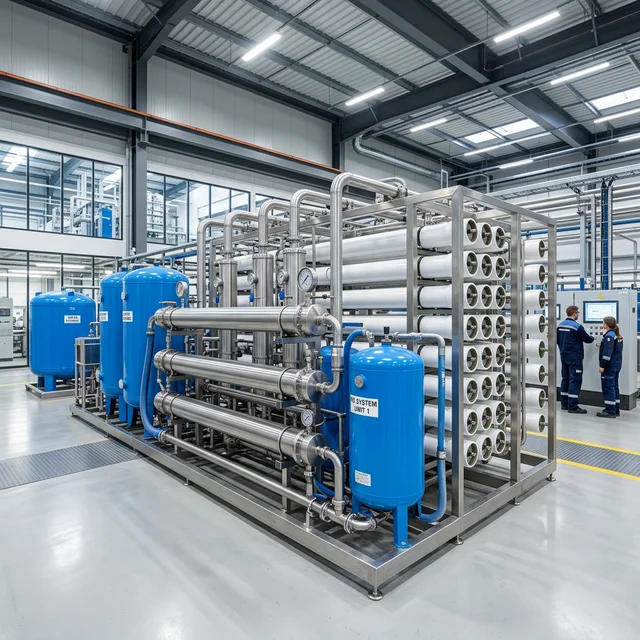
- Community RO plants — 250–1000 LPH systems serving apartment blocks
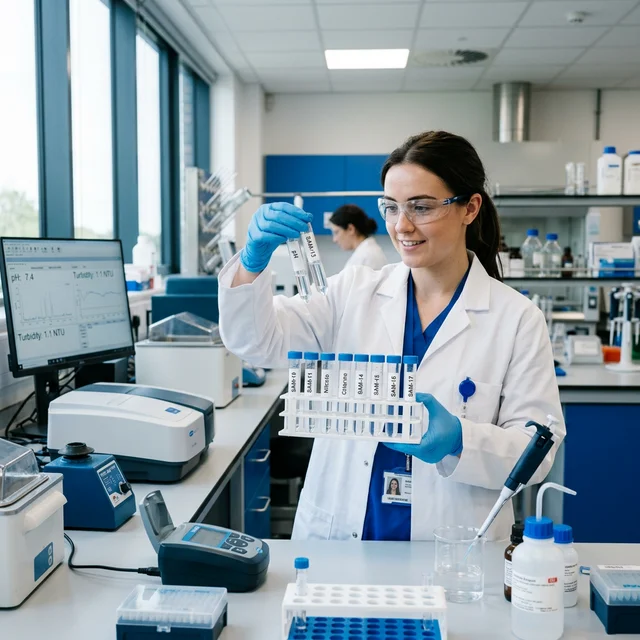
- Regular water testing — Test every 6 months to catch quality changes
- Rainwater harvesting — Supplement and improve water supply quality
- Proper storage — Clean, covered tanks prevent recontamination
Frequently Asked Questions
Common waterborne diseases include cholera, typhoid, hepatitis A, dysentery, giardiasis, and cryptosporidiosis. Long-term exposure to chemical contaminants causes fluorosis, arsenicosis, and lead poisoning. In India, contaminated water accounts for over 3.4 lakh deaths annually.
RO + UV + UF multi-stage purification is safest. RO removes dissolved solids and heavy metals, UV kills bacteria and viruses, UF provides final pathogen removal. This combination achieves 99.99% purification for comprehensive protection.
WHO guidelines: TDS below 500 ppm, pH 6.5–8.5, zero E. coli per 100mL, turbidity below 1 NTU, arsenic below 10 μg/L, fluoride below 1.5 mg/L, lead below 10 μg/L. India's BIS IS 10500 standards are aligned with WHO.