Key Takeaway
Regular water quality testing is essential for safe drinking water, efficient RO operation, and regulatory compliance. Key parameters include TDS (acceptable: <500 ppm), pH (6.5–8.5), hardness (<300 ppm), and bacterial count (zero coliform). Testing should be done every 6 months for residential and quarterly for industrial applications.
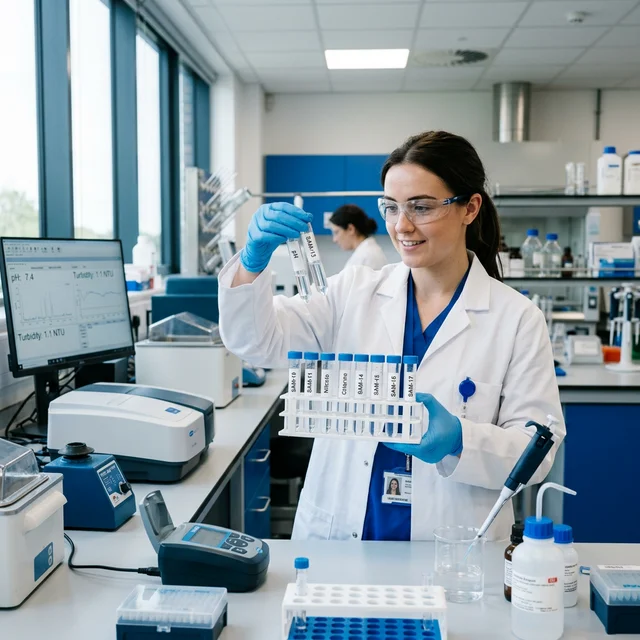
Water quality testing is the scientific process of measuring physical, chemical, and biological characteristics of water to determine its suitability for specific uses. Whether you're evaluating drinking water safety, sizing an RO system, or monitoring industrial wastewater, understanding key testing parameters is essential.
Essential Water Quality Parameters
Here are the most critical water quality parameters that every facility manager, homeowner, and industry professional should understand:
1. TDS (Total Dissolved Solids)
TDS measures the total concentration of dissolved substances in water including minerals, salts, and organic matter. It is measured in mg/L or ppm (parts per million). TDS directly affects water taste, equipment scaling, and RO membrane performance.
- Excellent: Below 300 ppm — Best taste quality
- Good: 300–500 ppm — Acceptable for drinking
- Fair: 500–1,000 ppm — Not ideal, RO treatment recommended
- Poor: Above 1,000 ppm — Must be treated before use
2. pH Level
pH measures how acidic or alkaline water is on a scale of 0–14. The ideal pH for drinking water is 6.5–8.5 as specified by BIS standards. Water that is too acidic (below 6.5) corrodes pipes, while highly alkaline water (above 8.5) causes scaling and unpleasant taste.
3. Total Hardness
Water hardness is caused by dissolved calcium and magnesium compounds. Hard water causes scale buildup in pipes, boilers, RO membranes, and appliances. It is measured in mg/L as CaCO3.
4. Turbidity
Turbidity measures the cloudiness of water caused by suspended particles. Clear drinking water should have turbidity below 1 NTU (Nephelometric Turbidity Unit). High turbidity indicates contamination and can harbour harmful bacteria.
5. Iron Content
Iron is a common contaminant in Chennai's groundwater, especially in industrial areas. Iron above 0.3 mg/L causes staining, metallic taste, and can clog RO membranes. Iron removal filters are essential pre-treatment for high-iron water.
6. Bacterial Count
Bacteriological testing checks for the presence of coliform bacteria and E. coli — indicators of faecal contamination. Safe drinking water must have zero coliform count. UV disinfection or chlorination effectively eliminates bacterial contamination.
| Parameter | BIS Standard (IS 10500) | WHO Guideline | Test Method |
|---|---|---|---|
| TDS | 500 mg/L (max: 2000) | <300 mg/L ideal | TDS meter / Gravimetric |
| pH | 6.5 – 8.5 | 6.5 – 8.5 | pH meter / Litmus |
| Total Hardness | 200 mg/L (max: 600) | <300 mg/L | EDTA titration |
| Turbidity | 1 NTU (max: 5) | <1 NTU | Nephelometer |
| Iron | 0.3 mg/L | 0.3 mg/L | Spectrophotometry |
| Chloride | 250 mg/L (max: 1000) | 250 mg/L | Argentometric |
| E. coli | Absent | 0 CFU/100mL | Membrane filtration |
Why Regular Water Testing Is Essential
Regular water quality testing serves multiple critical purposes:
- Health protection — Identifies harmful contaminants before they cause illness
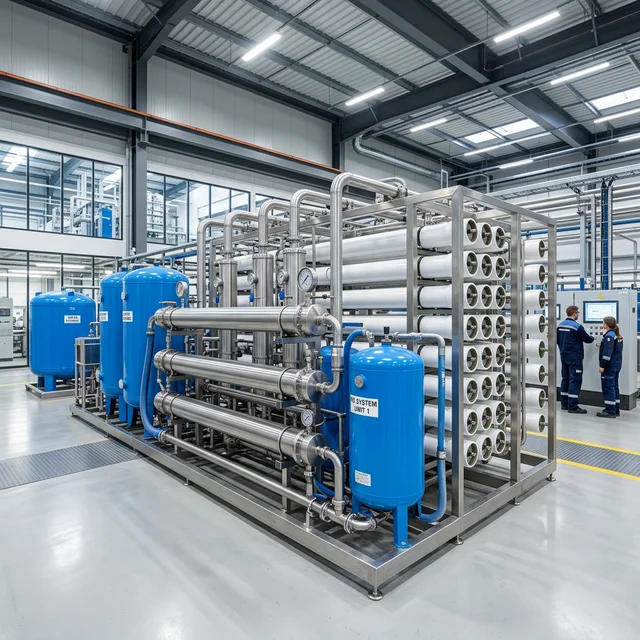
- RO system design — Accurate water analysis is essential for proper RO plant sizing and membrane selection
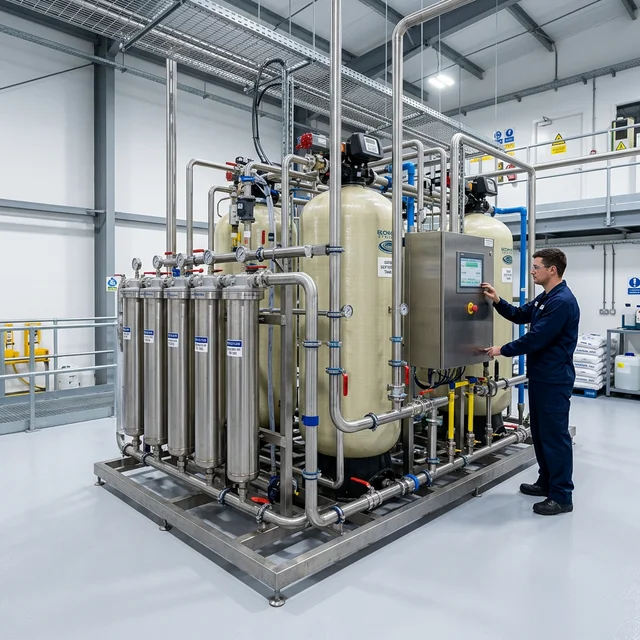
- Equipment protection — Prevents scale buildup, corrosion, and premature failure of boilers and cooling systems
- Regulatory compliance — Industries must meet TNPCB discharge standards for wastewater
- Cost optimization — Helps determine the most cost-effective treatment approach
How to Get Your Water Tested in Chennai
Getting your water tested in Chennai is straightforward. Here are your options:
- Professional water treatment companies — Companies like Sparkling Water Solutions offer complimentary water testing as part of consultation
- Government labs — Chennai Metro Water Testing Laboratory provides testing at nominal charges
- Private labs — NABL-accredited labs offer comprehensive testing with detailed reports
- On-site testing — Portable TDS meters and pH strips provide instant basic readings
Important
Always collect water samples in clean, sterilized containers. For bacteriological testing, use sterile bottles provided by the lab. Samples should reach the laboratory within 6 hours of collection for accurate results.
Common Water Quality Issues in Chennai
Chennai's water supply faces several recurring quality challenges that make testing especially important:
- High TDS borewell water — Many areas exceed 2,000 ppm TDS, requiring RO treatment
- Seasonal quality variation — Monsoon runoff increases turbidity and bacterial contamination
- Industrial contamination — Proximity to industrial zones can introduce heavy metals
- Tanker water quality — Private water tankers may not meet BIS standards
- Pipeline contamination — Old distribution networks can introduce rust and bacteria
Frequently Asked Questions
The most important parameters are TDS (Total Dissolved Solids), pH level, total hardness, turbidity, chloride content, iron concentration, bacterial count (E. coli and total coliform), and dissolved oxygen. For industrial applications, additional parameters like silica, alkalinity, and free chlorine are critical for equipment protection and process optimization.
According to BIS IS 10500:2012, the acceptable TDS limit for drinking water is 500 mg/L (ppm), with a permissible limit of 2,000 mg/L when no alternative source is available. WHO recommends below 300 ppm for excellent taste quality. Water below 50 ppm may lack essential minerals and is not ideal for drinking.
Residential drinking water should be tested every 6 months. Industrial facilities should test monthly or quarterly. RO plant operators should monitor TDS daily, check pH weekly, and conduct comprehensive lab analysis quarterly. Immediate testing is recommended after plumbing changes, complaints about taste or odour, or nearby construction activity.
Basic water testing (TDS, pH, hardness, turbidity) costs ₹500–1,500 in Chennai. Comprehensive analysis covering 15–20 parameters including bacteriological testing costs ₹2,000–5,000. Industrial water testing with heavy metals and COD costs ₹5,000–10,000. Many water treatment companies offer free basic testing during consultation.